
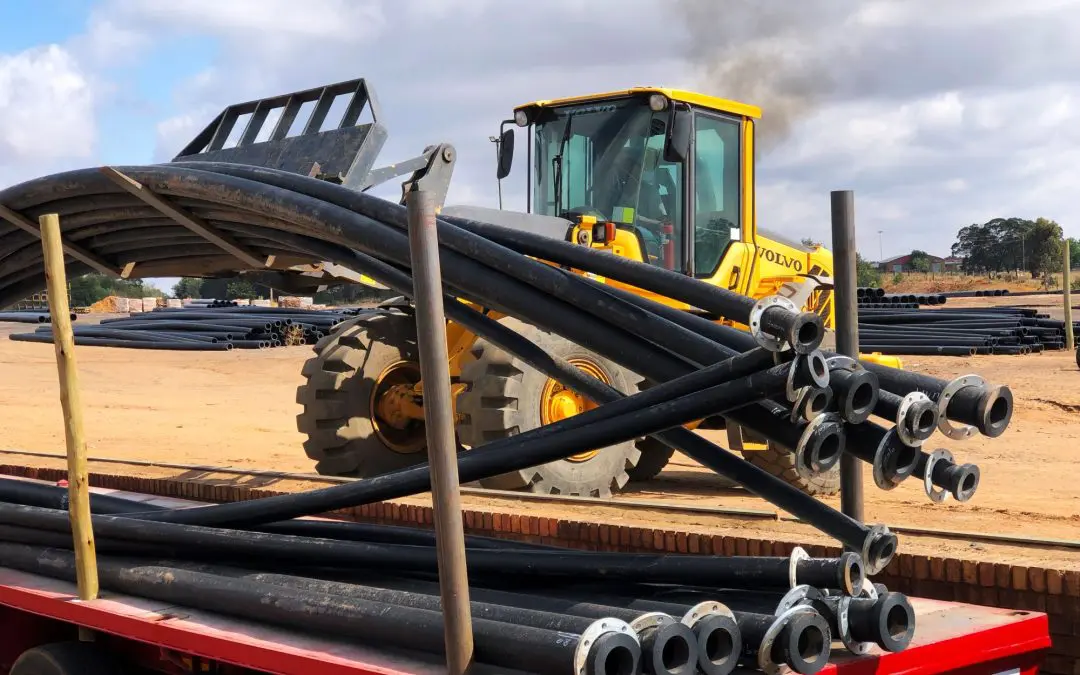
Across South Africa and the broader African market, municipal infrastructure faces increasing pressure from ageing networks, aggressive soil conditions, and rising lifecycle costs. In this environment, material selection is not a marketing exercise — it is an engineering decision with long-term consequences.
High-density polyethylene (HDPE) continues to play a central role in water and sewer infrastructure due to its proven performance, durability, and adaptability across a wide range of applications.
Long-Term Performance in Aggressive Conditions
HDPE offers excellent resistance to corrosion, chemicals, and biological attack. Unlike rigid materials, it does not degrade when exposed to sulphates, acidic soils, or variable groundwater conditions. This makes it particularly suitable for buried pipelines in municipal environments where soil conditions are often unpredictable.
Flexibility and Structural Resilience
One of HDPE’s key advantages is flexibility. The material accommodates ground movement without cracking, allowing loads to be distributed into the surrounding soil. This characteristic reduces the likelihood of structural failure over the service life of the pipeline.
Joint Integrity and Leakage Control
When correctly specified and installed, HDPE pipelines form continuous, leak-resistant systems. Secure jointing minimises infiltration and exfiltration, supporting both environmental protection and system efficiency.
Lifecycle Cost Benefits
Although initial material cost is only one factor, HDPE delivers significant value through reduced maintenance requirements and extended service life. For municipalities managing constrained budgets, this lifecycle advantage is critical.
As a locally based manufacturer, Gradco SA supplies HDPE piping systems designed for municipal water, sewer, and industrial infrastructure across South Africa and export markets.